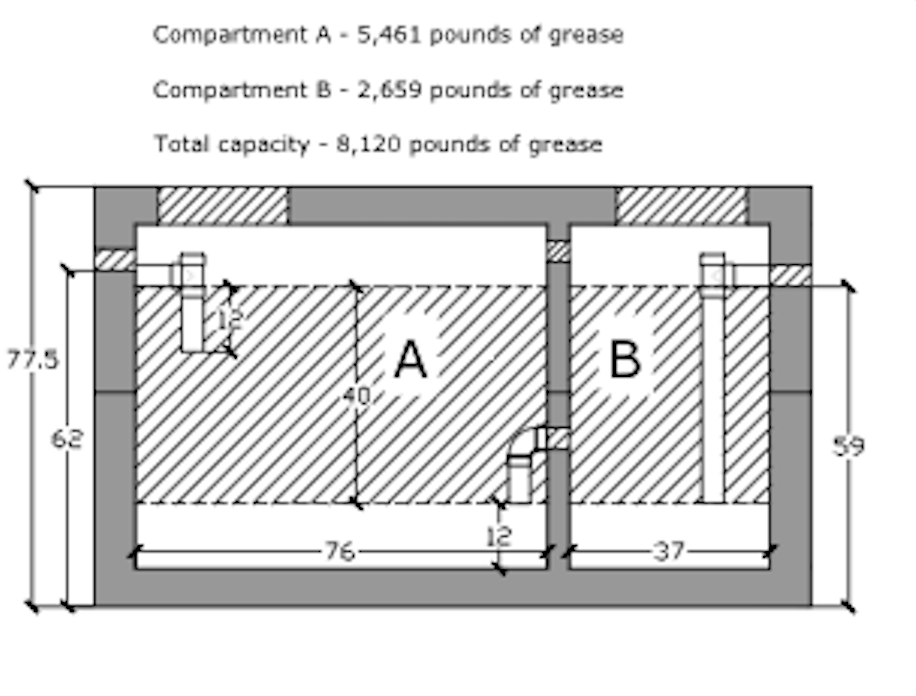





We often get asked how much grease our grease traps and interceptors hold. We will look at our 1,500 gallon HS20 traffic rated grease trap and answer that question for this tank...
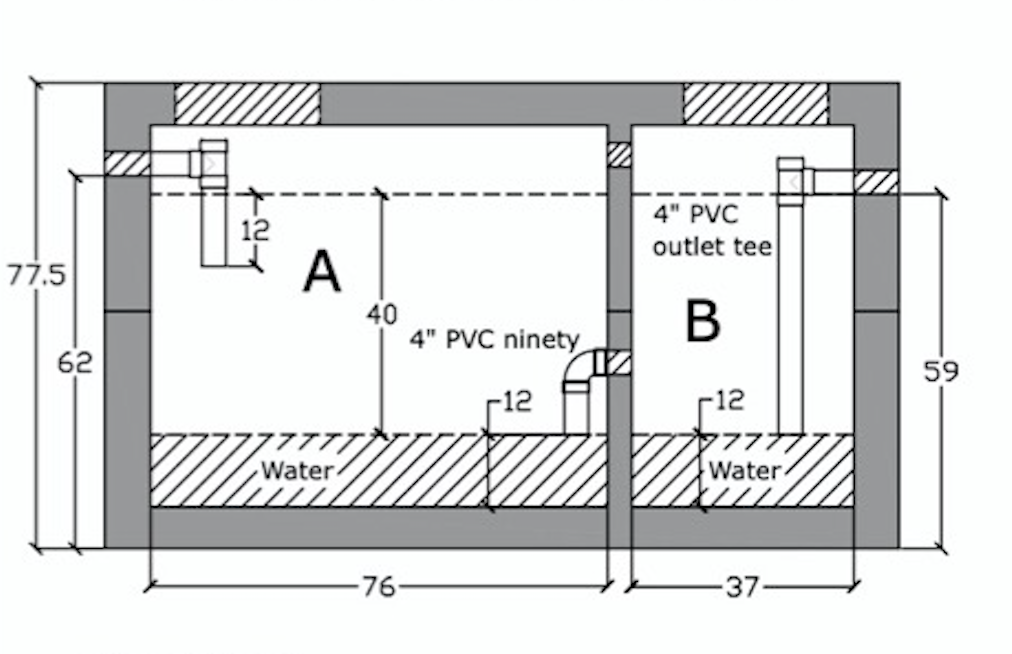
There are two main ways to prevent grease from escaping a grease trap/interceptor and entering a municipal system - priming the tank and using a tank configuration with both a ninety in the partition wall and an outlet tee...
Grease traps or grease interceptors are tanks used to separate grease and water to prevent grease from entering municipal sewer systems, which eliminates costly repairs and clean out operations. There are several ways to prevent grease from
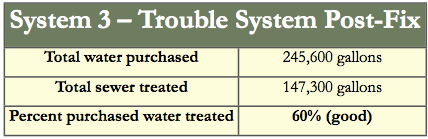
Watertight tanks are generally overlooked as a solution to inflow and infiltration (I&I) problems in municipal and decentralized wastewater systems. The use of watertight tanks can dramatically reduce treatment costs, reduce overflow events...
Les fosses septiques étanches ne sont généralement pas prises en compte dans les problèmes d’afflux et d’infiltration (I&I) par les systèmes municipaux et délocalisés de traitement des eaux usées. L’utilisation de fosses septiques étanches peut...
Often it is necessary to install a precast concrete grease interceptor or septic tank in a vehicular traffic area. The temptation for any tank manufacturer is to use existing molds to produce the tank; and this temptation is very real because investment...
Engineering analysis proves that isolation slabs do not protect underground tanks from vehicular loads and, in fact, serve to increase loading on the underlying tank...
Wastewater utilities are experiencing increased pressure to maintain cost-effective operations while ensuring compliance with state and federal regulations. Overflows from manholes and overloads of wastewater treatment facilities often lead to regulatory non-compliances, system outages,...